You believe you’ve found the perfect french antique table – a stunning piece that radiates charm and history. But how can you be sure it’s a genuine antique and not a cleverly crafted reproduction ? With today’s market flooded with reproductions, many dealers and collectors risk investing in pieces that don’t hold real historical or financial value.
Imagine the sinking feeling of realizing you’ve invested heavily in a fake. A reproduction table can look incredibly authentic at first glance. It may have the right patina, solid craftsmanship, and even some signs of age. However, without the right knowledge, you could unknowingly pay a premium for something that lacks true antique value. Worse still, misrepresenting a reproduction as an antique can damage a dealer’s reputation and customer trust.
What if you could eliminate that uncertainty? By understanding the key distinguishing features between real french antique tables and reproductions, you can confidently identify authentic pieces and ensure that your investments are worthwhile. In this guide, we’ll walk you through expert tips to help you verify the authenticity of a french antique table before you buy or sell.
THE WEIGHT OF HISTORY : MATERIAL AND CONSTRUCTION
The first, and often most telling, clue lies in the materials used. Genuine french antique tables, particularly those from the 18th and 19th centuries, were crafted from solid, seasoned hardwoods like oak, mahogany, walnut, and rosewood. These woods, over time, develop a rich patina and a depth of colour that is nearly impossible to replicate.
Feel the Weight : Lift a corner. French antique tables are heavy, a testament to the density of aged wood. Reproductions, often made with lighter, younger woods or even composites, lack this substantial feel.
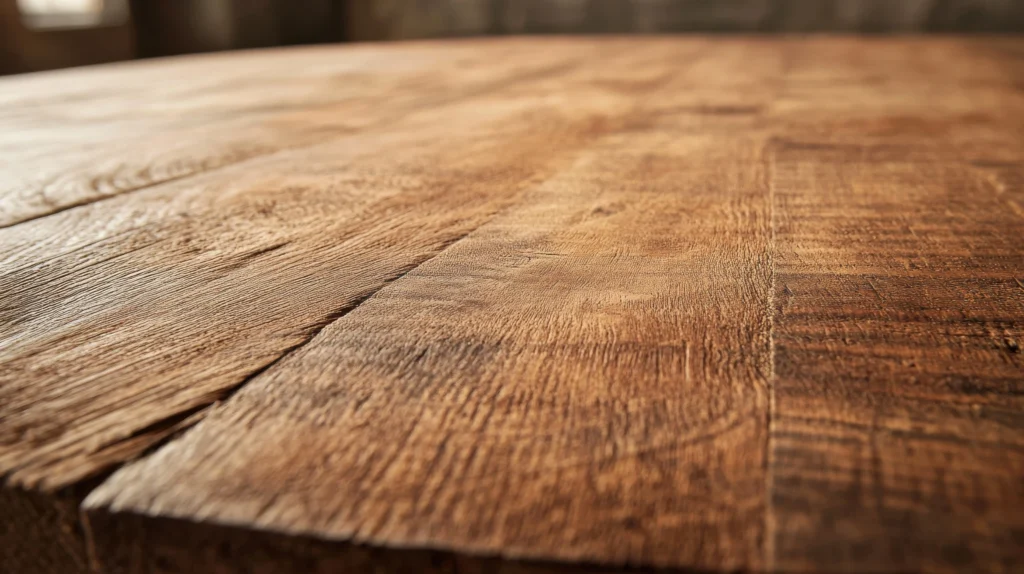
Examine the Grain : Look closely at the grain. In older pieces, the grain is tight and consistent, reflecting the slow growth of mature trees. Modern reproductions may exhibit wider, less uniform grain patterns.
Construction Techniques : Traditional joinery, such as dovetail, mortise and tenon, and pegged joints, are hallmarks of antique craftsmanship. These joints are meticulously hand-cut and fitted, displaying a level of precision that is often absent in mass-produced reproductions. Look for signs of hand-tooling, such as slight irregularities and tool marks, which add to the piece’s character and authenticity.
Nails and Screws : French antique tables were primarily assembled using hand-forged nails and screws. These fasteners will show signs of age, such as rust, pitting, and variations in shape and size. Modern screws and nails are uniform and often made of different metals.
WANT TO SEE WHAT KIND OF FURNITURE WE DEAL IN ? VISIT OUR COLLECTION :
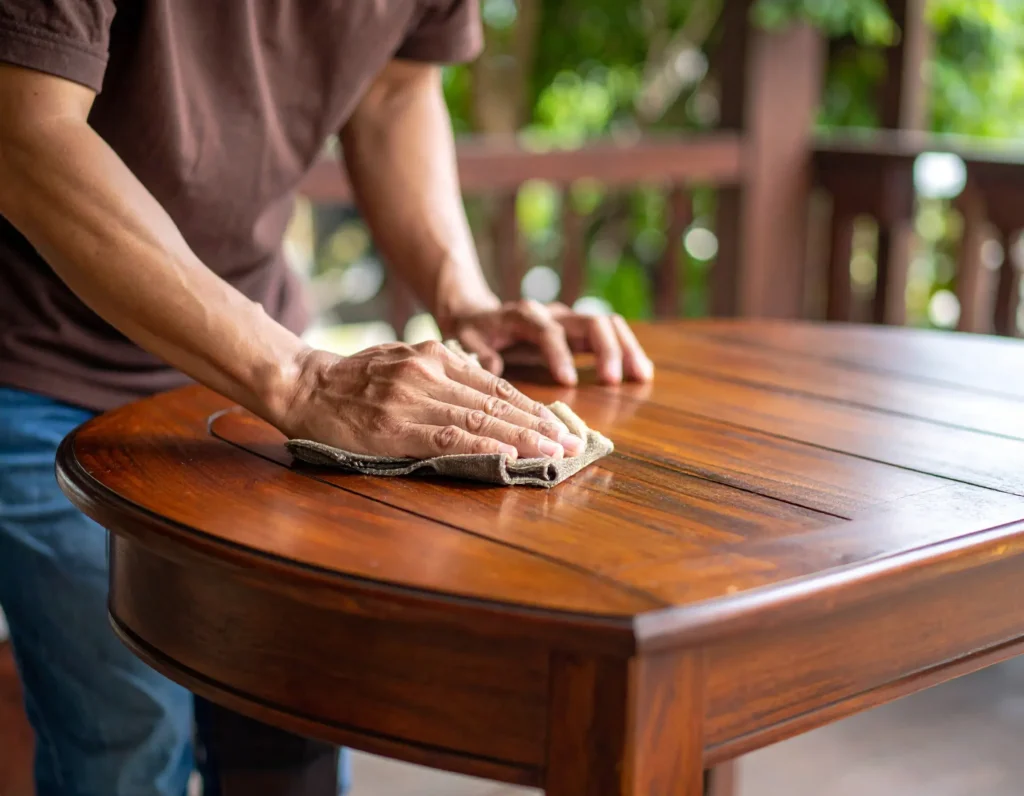
The surface finish of a french antique table is a silent narrator of its history. A genuine patina emerges gradually, a testament to years of interaction with the environment, air, light, and human touch. It presents as a delicate, soft lustre, distinctly different from the high-gloss, factory-applied finishes of modern reproductions. Observe the table for signs of wear that align with its supposed age, such as scratches, dents, and fading, particularly on areas that would have experienced frequent use, like the tabletop edges and legs.
Older finishes may also exhibit fine cracks or crazing, a network of minute lines that develop as the finish dries and ages, these imperfections being natural markers of authenticity. Be wary of finishes that appear uniformly aged, as reproductions often employ artificial techniques that lack the nuanced depth of a true patina. Lastly, remember to examine the underside of the table ; original surfaces here will often display a more raw, unfinished texture compared to the top, revealing the unadulterated aging of the wood.
WANT TO KNOW HOW ABG BECAME A REALITY ?
DISCOVER THE TEAM’S STORY OF HOW ANTIQUES BECAME A PART OF THEIR LIVES :
Authenticating the design of a french antique table hinges on a solid grasp of the stylistic hallmarks of different periods. Each era possesses unique design elements, materials, and construction methods that delineate it from others. To begin, dedicate time to researching the defining characteristics of prominent french antique table styles, such as Georgian, Victorian, Edwardian, and Art Deco. A thorough understanding of the nuances inherent in each period will equip you to spot inconsistencies and potential red flags. Next, meticulously examine the table’s proportions and details.
Genuine french antiques exude a sense of equilibrium and harmony, showcasing meticulously executed details that reflect the artisan’s skill. Reproductions often betray a lack of this precision, revealing discrepancies in proportions and poorly rendered ornamentation. Lastly, pay close attention to the hardware and fittings. Original components, such as handles, hinges, and locks, are frequently distinctive to the table’s period and style. These fittings will exhibit signs of age and wear, and may even bear the maker’s mark, further validating the piece’s authenticity.
BE CONFIDENT IN YOUR FRENCH ANTIQUE TABLE PURCHASES
Recognising an authentic french antique table requires a keen eye, attention to detail, and knowledge of traditional craftsmanship techniques. By examining construction, wear patterns, materials, hardware, and historical styles, you can confidently distinguish between genuine antiques and modern reproductions.
READY TO ADD A GENUINE FRENCH ANTIQUE TABLE TO YOUR COLLECTION ? READY TO BUY AND SELL A GENUINE FRENCH ANTIQUE TABLE ?